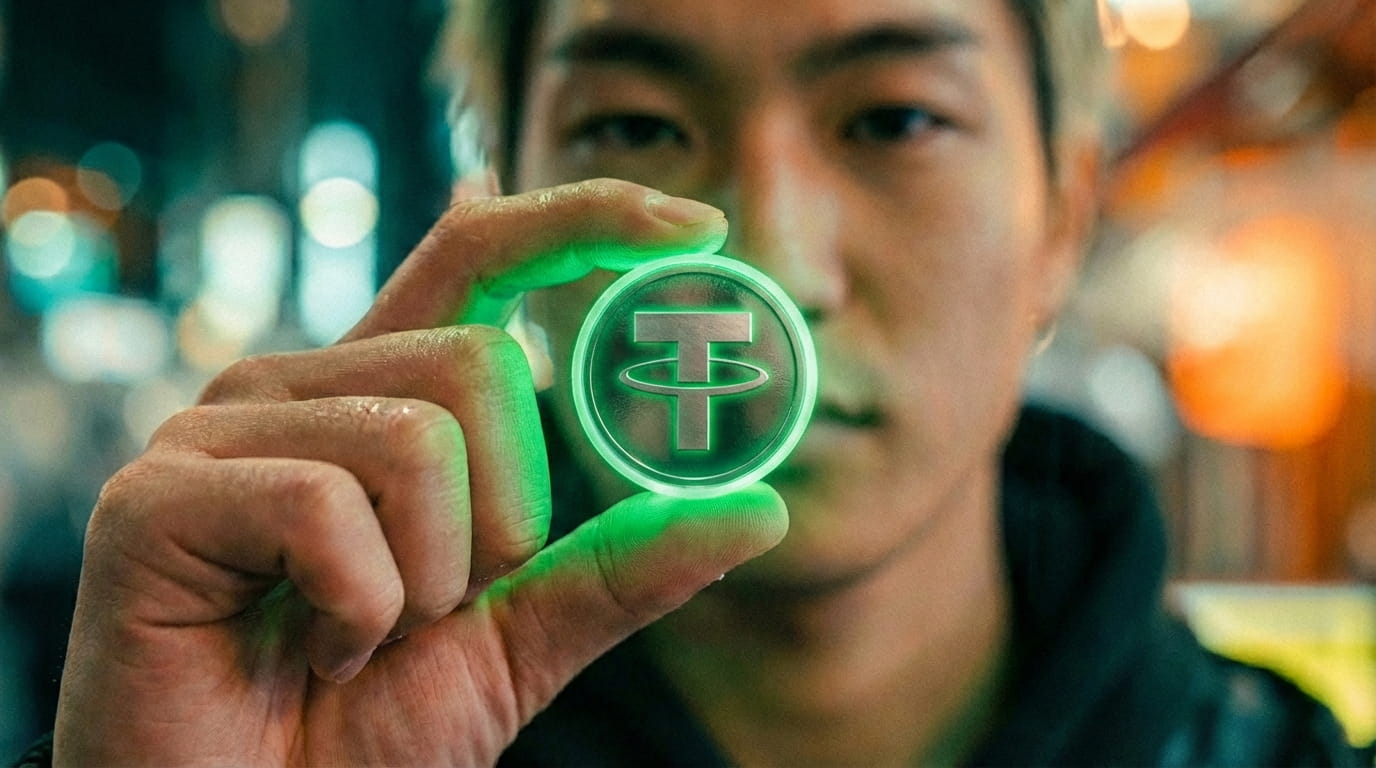
What is AI video production: the 2026 brand guide
Operational definition, differences with traditional workflows, real brand use cases, 2026 pricing and a partner evaluation checklist. Updated with Veo 3.1, Kling 1.6, Luma Ray2.
Founder · AI Visual Specialist
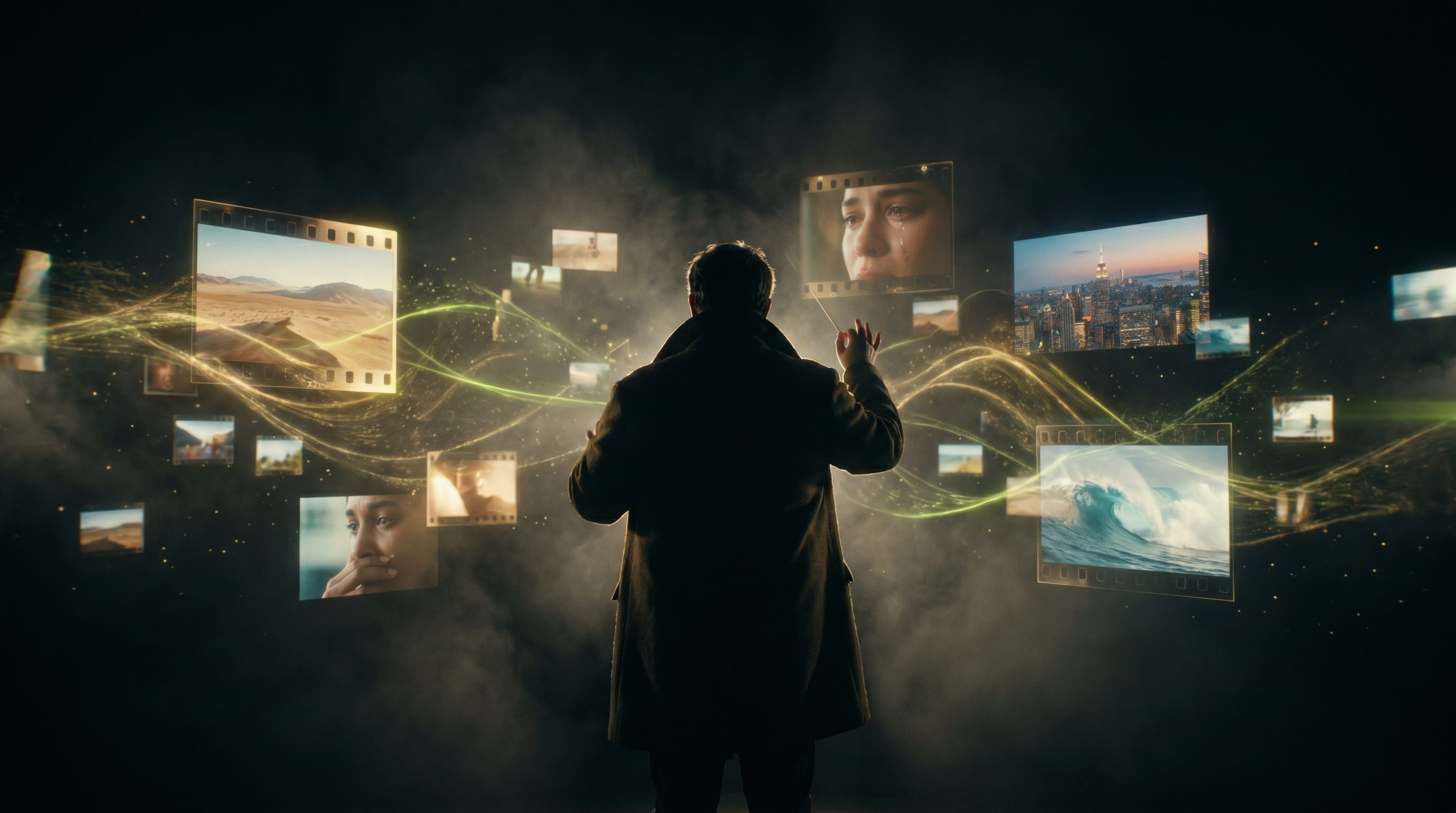
AI video production is the process of making audiovisual content (commercials, brand films, social series, formats) in which the video sequences are generated by � or generated with the assistance of � generative AI models like Veo 3.1, Kling, Luma Ray, Runway Gen-3, instead of (or in combination with) a traditional shooting set. For a brand it means 60-80% shorter timelines, costs down 85% on the low end, and the ability to iterate on a cut in hours not weeks.
This guide covers five things: what “AI video production” exactly means in 2026, how it differs from a traditional workflow, where real brands use it, how much it actually costs and how to evaluate a partner. Written for Marketing/Brand Managers and Creative Directors evaluating the introduction of AI into their pipeline � not for industry insiders.
The operational definition, in one sentence
AI video production is an audiovisual pipeline in which a significant or total share of shots is generated by generative AI models, while keeping the same pre-production (brief, storyboard, direction) and post-production (color, sound, finishing) structure as the traditional pipeline.
The technical part � which model, which prompt, which parameters � is the minor share of the work. The major share is the same as ever: understanding the brief, building a visual language consistent with the brand, directing the pacing of the cut, finishing the sound to be broadcast-ready. That’s why working AI pipelines are led by people with an audiovisual production background, not tool-obsessed engineers.
What AI video production is NOT
Before going deeper let’s clear three common confusions:
It’s not “generate a video with ChatGPT/Sora demo”. Those videos are single-shot prototypes, no grading, no sound design, no brand consistency. Almost never usable as publishable marketing assets.
It’s not “an agency using a bit of AI”. Real AI video production is born AI-native: pre, gen and post are re-signed by the new workflow, not bolted onto an existing pipeline. The difference shows on timelines: if the “AI production” lasts as long as a traditional one, it’s not AI production � it’s marketing.
It’s not just text-to-video. The best 2026 results come from hybrid pipelines using text-to-video (Veo 3.1), image-to-video (Kling), reference-conditioned generation (Luma Ray + reference image), LoRA training on specific faces, and DaVinci finishing. A mature pipeline uses 4-6 different tools, picked shot by shot.
What changed in 2025-2026
Three things made AI video production commercially viable in 2026:
-
Fine-grained camera control. Veo 3.1 and Kling 1.6 expose camera movement parameters (dolly, crane, orbit, focus pull) that allow replicating cinematic “set” framing. Before 2025 the limit was aesthetic: everything looked like floating animation.
-
Character consistency. 2026 models keep character coherence across multiple shots, even without fine-tuning. For high-end projects we train LoRAs on reference faces: the pipeline we applied across our AI case studies defined exactly this workflow.
-
Quality of finishing. The 4K HDR-ready output of top models allows a ProRes 422 HQ master directly broadcast-compatible, without needing to “redo” the video traditionally to hit the quality required by a national TV network.
How it differs from a traditional workflow
Phase-by-phase comparison on a typical 30-second spot:
| Phase | Traditional | AI (SLATE workflow) |
|---|---|---|
| Brief & concept | 3-5 days | 1 day |
| Pre-production (storyboard, casting, location) | 10-14 days | 1 day (animatic) |
| Shoot / generation | 2-4 days (physical set) | 2 days (iterative generation) |
| Post-production | 10-14 days | 2 days |
| Client revisions | 5-7 days | 1-2 days |
| Total working days | 30-44 days | 5-7 days |
The biggest jump is NOT on generation (we’re at -25%), but on pre-production (-92%) and post-production (-83%). AI generation lets you start on a “near-final” visual that simultaneously serves as storyboard, animatic and first-pass footage. Detailed calculation lives on our time proof page.
-85%
cost vs traditional pipeline low end � from �15,000��60,000 down to �1,500��3,500
The other fundamental difference is the marginal cost of a revision. In traditional, changing a cut means re-engaging editor + colorist + sound designer for billable hours. In AI, re-generating a scene costs a few euros of compute and a few hours of creative work. This changes the client psychology: the perceived risk of “asking for a variant” collapses.
Where brands are using AI video production
Four use cases we already see normalised in 2026:
Tier 2-3 commercials
Mid-market brands: 4-12 campaigns/year � volume and speed
Always-on brand series
Continuous assets, reusable look-pack, falling cost-per-episode
Pre-shoot mockup
Test 3-5 concepts on focus groups before real shooting
Luxury without a set
Remote locations, pre-release assets, physically impossible traditional set
1. Tier 2 and tier 3 commercials
Mid-market brands running 4-12 campaigns a year need volume and speed. AI production is now competitive on this band. For the global tier 1 top campaigns (Super Bowl, Champions League) the pipeline stays traditional, but for the rest of the marketing calendar substitution is happening.
Example: in the Theter Spec Spot case study we produced a spec commercial in 5 days that traditionally would have required 30.
2. Brand content series and always-on social
Brands with always-on strategies need a continuous asset flow. AI production keeps visual identity consistent cross-episode (reusable look-pack in the Adapt phase), cutting cost-per-episode after the first 2.
Example: with the AI Reel & Visual pack we produce 6 reels 9:16 at 30s + 12 editorial images in 3-5 days at fixed pricing (�2,700), keeping a consistent look across content.
3. Product launch and pre-shoot mockup
Before investing in real shooting, strategic brands use AI video to test 3-5 versions of a concept on focus groups. The winner goes to traditional production; the other versions become internal work material. This is one of the few cases AI production complements rather than replaces traditional.
4. Luxury brand films with no possible physical shoot
Product launches where a traditional set would be logistically impossible or too expensive (remote locations, assets not yet existing, packshots of pre-release product). See Il Fabbricante di Mondi, entirely AI-generated without a single frame of real footage.
How much it really costs in 2026
The Italian market has settled. Realistic ranges for mid-market brands:
- 15-60s broadcast-ready spot: �1,500��3,500 (see AI Commercial service)
- Brand Content Series (4-8 episodes): �3,500��8,000
- Custom AI Production (shorts, music videos, formats): from �8,000 up
What MUST be included in those figures, always: unlimited full-rights commercial license, 2 formal revision cycles, 4K master + cutdown for standard formats, broadcast sound mix (-23 LUFS), audio licensing. What is NOT included almost ever: media buying, translation and dubbing in languages beyond IT/EN, prolonged use of AI characters as brand assets (over 24 months).
Checklist: how to evaluate an AI video production partner
Ten questions to ask any AI studio before signing a contract:
Publicly documented process?
No documentation = not a studio, it's a freelance collective.
Who signs the direction?
A real person with a verifiable CV, not an anonymous 'creative team'.
Tools for critical shots?
A single answer (e.g. 'Sora') is suspicious � mature pipeline is multi-tool.
Formal revision cycles included?
Under 2 is sub-standard. Over 4 is marketing.
Unlimited commercial rights?
Get it in writing. 'You can use it everywhere' is vague.
Broadcast-ready output?
4K ProRes master + audio at -23 LUFS. Without it, won't air on national TV.
Real project time log?
A serious studio tracks man-hours per phase � if hidden, something's off.
Guarantee on first cut?
Written rework commitment, not just 'good will'.
Commercial projects closed?
Under 4-5 in the last 12 months is R&D zone, not production-ready.
Team on a call?
A serious studio is glad to. A fake one isn't.
- Do you have a publicly documented process? If the answer is “everyone uses their own flow”, it’s not a studio, it’s a freelance collective.
- Who signs the direction? Must be a real person with verifiable CV, not an anonymous “creative team”.
- What tools do you use for critical shots? A single answer (e.g. “Sora”) is suspicious. The mature pipeline is multi-tool.
- How many formal revision cycles are included? Under 2 is sub-standard. Over 4 is marketing.
- Do I get unlimited commercial rights? If yes, get it in writing. If no, understand what’s NOT included.
- Broadcast-ready output? Ask for 4K ProRes master + audio mixed at -23 LUFS. Without this, the video won’t air on national TV.
- Will you show me the real project time log? A serious studio tracks man-hours per phase. If they hide it, something’s off.
- What if the first cut doesn’t work? Written guarantee on rework, or just “good will”?
- How many commercial projects have you closed in the last 12 months? Under 4-5 is R&D zone, not production-ready.
- Will you introduce the team on a call? A serious studio is glad to. A fake one isn’t.
What NOT to expect from AI video production in 2026
For symmetry � important as much as knowing what to expect:
- Don’t expect perfect lip-sync dialogue in complex multi-character scenes. 2026 tech does VO + B-roll well, struggles with dialogue scenes.
- Don’t expect absolute product accuracy on detailed packaging. Works great for mood/lifestyle, integrate with traditional compositing for precise packshots.
- Don’t expect to replace the set on projects requiring real people with real voice. AI faces fine; complex acting performances no.
- Don’t expect “just the right prompt” to suffice. The added value of an AI producer is the same as a good director: understanding language. The tool changes, the craft doesn’t.
The page’s resources
To go deeper on specific aspects:
- SLATE methodology � the 5-phase proprietary process we use on every project.
- How we calculate the 60% saving � proof page with traditional vs SLATE timeline.
- MaiDreamsLab services and pricing � public price list for AI Commercial, Brand Series, Custom.
- Case studies � 4 real projects documented with metrics, tech stack, decisions.
In summary
AI video production in 2026 is a mature pipeline for mid-market brands and always-on content. It works because quality of output reached broadcast-ready, because character consistency is solved, and because the marginal cost of a revision crashed. The value of a specialised studio is in the direction, not in the tool � exactly like traditional cinema.
If you’re evaluating a partner, let’s talk in a call: in 30 minutes we’ll tell you if your brief is producible with AI and with what timelines and costs.
Last updated:
Got a brief?
Book a free 30-minute diagnostic call: we'll tell you if SLATE applies to your project.
Book a call