MAIDREAMSLAB

Workflow � Proprietary

SLATE is

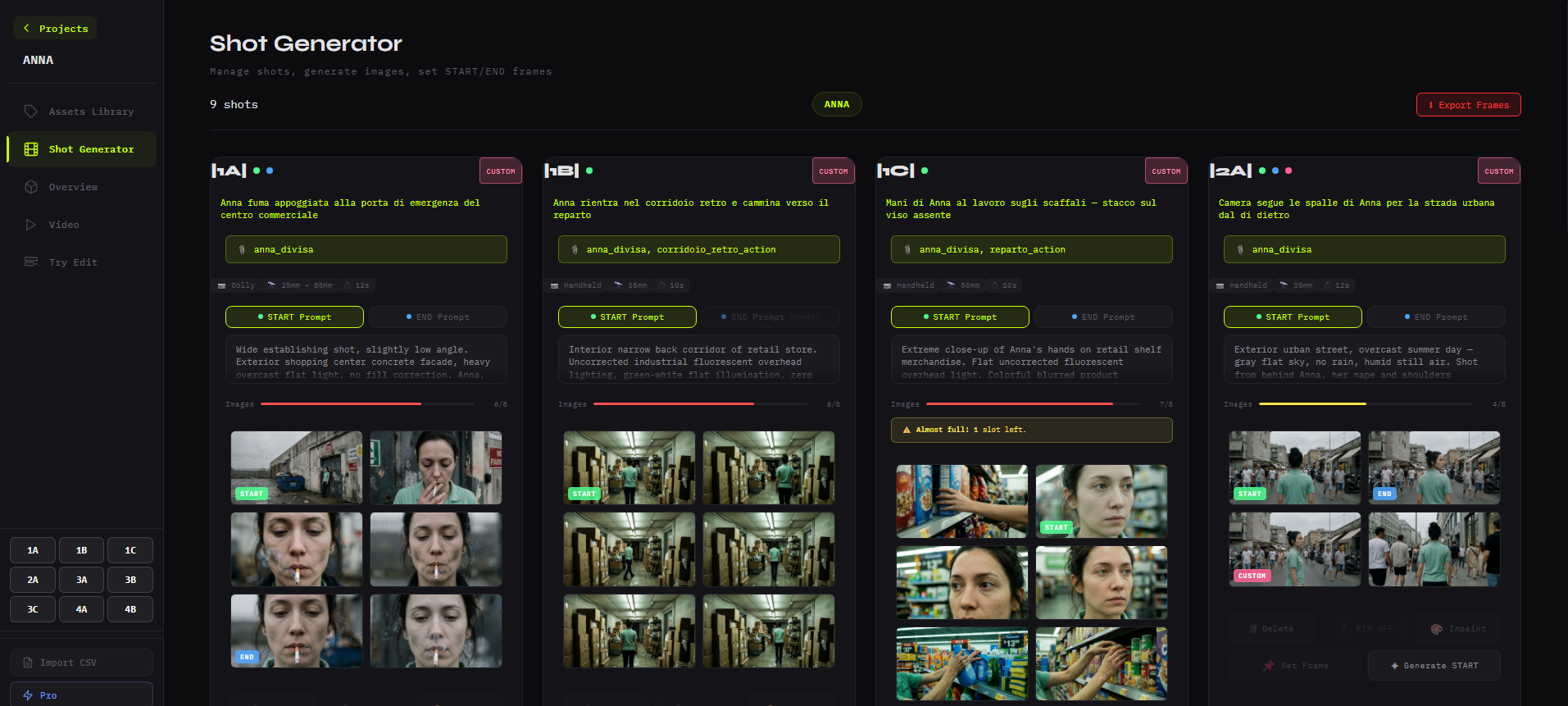
SLATE is MaiDreamsLab's proprietary AI video production system, organised in 5 phases � Script, Layout, Assets, Timing, Export � designed to bring set discipline to generative models.

SLATE was born from a concrete problem: hundreds of scattered AI images, lost prompts, no visual continuity. It was developed by Gianni Spezzano integrating 15 years of cinematic pipeline (Gomorra, Pesci Piccoli/The Jackal, award-winning short films) with 2024-2026 generative technologies.

Unlike generic AI workflows that proceed by disconnected prompts, SLATE tracks every shot with a unique ID, locks visual assets to reference images (characters, locations, props) and visualises the pre-assembly timeline before mass generation. The result is an AI production that's repeatable, brand-safe and finishable.

SLATE is both a methodology (the 5 public phases described below) and a standalone desktop tool � Python + SQLite, zero cloud, generation via personal APIs. The methodology is public; the tool is proprietary to MaiDreamsLab and available in consulting for production companies, agencies and enterprise teams.

~60% less production time across a sample of 2025-2026 projects.

On Theter Spec Spot and Il Fabbricante di Mondi the workflow compressed phases that traditional pipeline would take weeks. See full calculation ?

SLATE � proprietary MaiDreamsLab desktop tool interface: Script, Layout, Assets, Timing, Export

SLATE � standalone desktop tool � Python + SQLite � zero cloud

The 5 phases

One phase, one deliverable, one approval gate.

Each phase has tangible output. The client sees progress in a structured way � no "surprise" at the end of the project.

S

Phase

Script

From screenplay to technical breakdown, automatically

The Script phase converts a traditional screenplay into a shot-by-shot technical breakdown. The Script Converter (a core component of SLATE) automatically extracts scenes, beats, dialogue and maps them to a shot structure with metadata: lens, lighting mood, target duration, edit reference.

Deliverables

  • ? Structured screenplay imported into SLATE
  • ? Shot-by-shot breakdown with technical metadata
  • ? Automatic per-shot brief ready for generation
L

Phase

Layout

Shot-by-shot generation with context

In Layout each frame is generated in isolation but with full awareness of its place in the sequence. Every image is linked to its shot ID and scene position: no orphan prompts, no messy 'asset libraries'.

Deliverables

  • ? AI generation shot-by-shot with shot ID and position
  • ? Prompt tracking per shot
  • ? First visual pass ready for review
A

Phase

Assets

Character, location and prop consistency

Assets is the library that codifies the recurring elements of the project: the protagonist's face, the key location, the symbolic prop. Defined once as reference images, automatically recalled in every subsequent generation. No more visual drift between shots.

Deliverables

  • ? Asset library with locked reference images
  • ? References automatically applied across all generations
  • ? Cross-shot and cross-episode consistency
T

Phase

Timing

Visual pre-assembly with timeline and filmstrip

Timing is the pre-assembly timeline: a horizontal filmstrip showing all shots in sequence, with their target duration. Lets you see rhythm, continuity, gaps before a single frame of footage exists. This is where direction gets corrected.

Deliverables

  • ? Horizontal timeline with all shots in sequence
  • ? Rhythm, continuity, narrative gap analysis
  • ? Visual cut approval before post
E

Phase

Export

Organised packages ready for post

Export closes the loop: ZIP packages organised by shot ID, with motion prompts ready, set up to be passed to video generation platforms (Veo, Kling, Luma, Runway). Direct API integration on tools with active APIs (Gemini); well-structured manual export for the rest.

Deliverables

  • ? ZIP packages by shot ID
  • ? Motion prompts included and ready
  • ? Direct API integration or export for platforms

Key capabilities

Three things that change how we produce.

Consistency System

Characters, locations, props defined once with reference images and automatically applied to every subsequent generation. No more visual drift.

Pro-Level Prompts

Camera body, lens, aperture, lighting, blocking, color palette, style reference � built at script breakdown level, not improvised shot by shot.

Zero Cloud

Desktop standalone. Python + SQLite, no remote server. Generation runs through your personal APIs. Full control over data and licensing.

Comparison

SLATE vs traditional pipeline vs DIY AI

Summary on a typical 30-second commercial for a mid-market brand. "Traditional" data are industry estimates (Adweek, Ad Age benchmarks); "SLATE" data are real averages from our public projects.

30s commercial � typical production comparison
  Traditional SLATE Generic AI
Total timeline 5�6 weeks5�7 days2�4 weeks
Pre-production 10�14 days2 days0�1 days
Prompt + asset traceability n/aYes (shot ID + reference)No
Average cost �15,000��60,000�2,000��4,500�500��2,000
Broadcast-ready output YesYesRarely
Professional direction YesYes (Gianni Spezzano)No
Guaranteed brand consistency YesYes (locked Assets)No
Commercial rights included DependsUnlimited includedVariable per model

Detailed time calculation in the proof page.

Applications

Where we've applied SLATE.

Each project stressed a different phase: mockumentary narrative on Il Fabbricante di Mondi, character consistency on Vito Mellusso, time compression on Theter Spot.

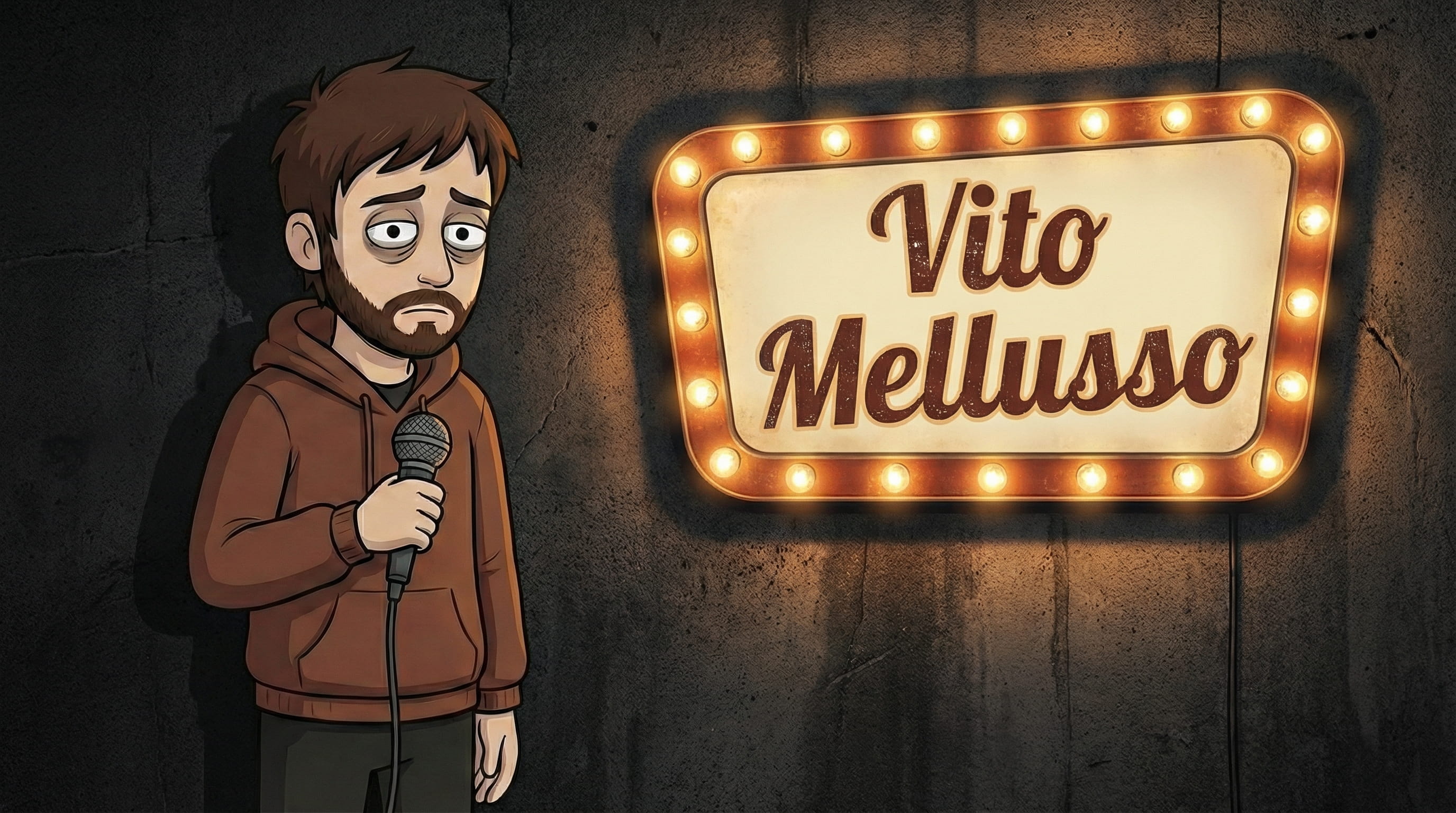
Vito Mellusso — AI series — Vito Mellusso
Original SeriesBrand Character
2025

AI-powered original stand-up comedy series. A character built from scratch with HeyGen for lip-sync, Veo 3.1 for environments and finishing in DaVinci. A recurring brand-character experiment proving AI can sustain a comedy series with consistent cross-episode visual identity.

Theter — AI spec commercial — Theter
AI CommercialSpec Work
2025

Spec commercial produced as a professional application: an exercise in brevity, mood and cinematic direction within a commercial brief. A textbook case of how the SLATE workflow compresses a commercial concept-to-master in time the traditional pipeline would take weeks.

SLATE FAQ

SLATE in six questions.

What does the SLATE acronym stand for?

SLATE are the 5 phases of MaiDreamsLab's proprietary AI video production system: Script (screenplay ? shot-by-shot breakdown), Layout (AI generation with context), Assets (character/location/prop consistency), Timing (pre-assembly timeline), Export (organised ZIP packages ready for video platforms).

Is SLATE just a methodology or also a tool?

Both. SLATE is first a production methodology (the 5 phases above), but it's backed by a standalone desktop tool � Python + SQLite, zero cloud � that codifies the phases into a technical workflow. The methodology is public; the tool is proprietary to MaiDreamsLab and is available in consulting for production companies, agencies and enterprise teams.

How does SLATE differ from a generic AI workflow?

A generic AI workflow fires off disconnected prompts and accumulates 'hundreds of scattered images' � a quote from our own experience before SLATE. The system solves three problems: lost prompts, inconsistent assets, no visual continuity. SLATE tracks every shot with an ID, ties every asset to its reference image, and visualises the timeline before mass generation.

Which tools does SLATE integrate directly?

SLATE supports personal APIs via modular integration. Google Gemini is already actively integrated for image generation. The architecture is expandable: any platform with an exposed API (Veo, Kling, Luma, Runway, etc.) can be added as a connector. For tools without an active API, Export produces packages ready for manual upload.

Can I use SLATE for non-commercial productions?

Yes. SLATE is output-agnostic: we use it for narrative shorts (Il Fabbricante di Mondi), AI original series (Vito Mellusso), spec commercials (Theter) and internal R&D projects. The difference is in configuration: for narrative projects the Assets phase extends to handle longer character consistency, for commercials Timing is more aggressive.

Are the time savings claimed verifiable?

Yes. The /en/ai-video-production/how-we-calculate-savings/ page publishes the phase-by-phase comparison between traditional timeline (with industry sources) and SLATE timeline (with real data from our public case studies). The indicative ~60% delta is the average observed on public projects; exact values vary by project.

Transparency

How we calculate the 60% saving

Every quantitative claim we publish has a linked proof page. You'll find: phase-by-phase timeline of a traditional production (with sources), real timeline of our public projects, disclaimers.

Open the calculation

SLATE for your team

SLATE consulting

The SLATE desktop tool is available for consulting with production companies, agencies and enterprise teams. Onboarding, integration and training included.
Request consulting